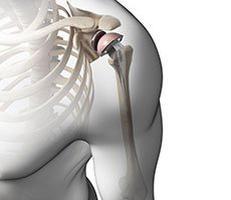
Shoulder Replacement Treatment in Pune – Precision Care for Optimal Mobility
What is Shoulder Replacement?
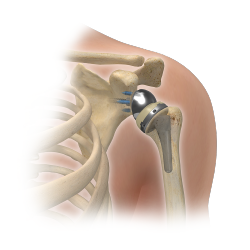
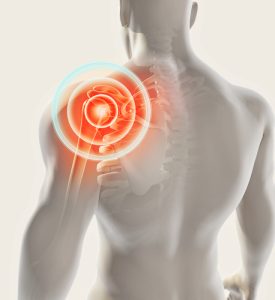
Shoulder replacement is a surgical procedure performed to relieve long-term shoulder pain and restore joint movement. It involves removing the damaged parts of the shoulder joint and replacing them with artificial components called prostheses.
This surgery is commonly recommended for conditions such as osteoarthritis, rheumatoid arthritis, rotator cuff tear arthropathy, or avascular necrosis. When medications, physiotherapy, and other treatments no longer provide relief, shoulder replacement can help improve quality of life.
How to Prepare for Shoulder Replacement Surgery?
Before surgery, your doctor will conduct a complete physical examination. You may need X-rays or other imaging tests to assess the condition of your shoulder joint.
It is important to inform your doctor about:
- Any medical conditions you have
- All medicines you are currently taking
- Any allergies
You may be asked to stop certain medications before surgery, especially strong painkillers or blood-thinning medicines.
Lifestyle changes are also important. If you smoke, you should stop before surgery, as smoking increases the risk of complications and delays healing. Avoid alcohol and follow your doctor’s instructions carefully.
On the night before surgery, do not eat or drink after midnight unless advised otherwise.
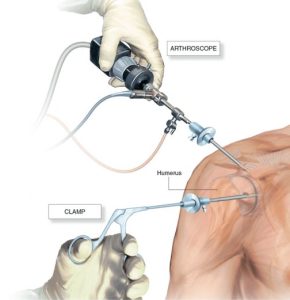
The procedure usually takes about 2 to 3 hours and is performed under anesthesia. After discharge, you may need help at home with daily activities for a few weeks. If family support is not available, short-term rehabilitation care may be suggested.
What is the Recovery Time for Shoulder Replacement Surgery?
Recovery varies from person to person and depends on the type of surgery performed.
- Gentle arm exercises usually begin soon after surgery.
- You may start performing simple daily activities within the first week.
- Driving should only be resumed when your doctor confirms it is safe.
- Full recovery may take several months, depending on healing and physiotherapy progress.
Regular physiotherapy is very important to regain strength and improve shoulder movement.
Types of Shoulder Replacement Surgeries
Your orthopedic surgeon will decide the most suitable type of procedure based on your condition. Common types include:
- Hemiarthroplasty
Only the ball portion of the shoulder joint is replaced, while the natural socket is preserved. - Resurfacing (Stemless) Replacement
The damaged surface of the humeral head is replaced with a cap-like prosthesis, preserving more natural bone.
- Total Shoulder Arthroplasty
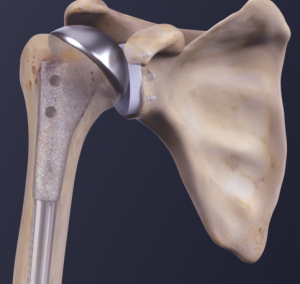
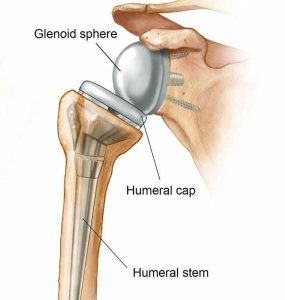
Both the ball and socket are replaced. A metal ball is attached to the upper arm bone, and a plastic socket is placed in the shoulder blade. - Reverse Total Shoulder Replacement
In this procedure, the structure of the joint is reversed. A metal ball is fixed to the socket side, and a plastic cup is attached to the upper arm bone. This option is often recommended when the rotator cuff muscles are severely damaged.
Possible Complications
Like any surgery, shoulder replacement carries some risks, including:
- Infection
- Implant loosening or wear
- Nerve injury
- Joint stiffness
- Blood clots
Patients with diabetes may have a slightly higher risk of infection or wound healing problems. Following medical advice carefully helps reduce these risks.
Do’s and Don’ts After Shoulder Replacement
Do:
- Follow the prescribed home exercise plan
- Attend regular follow-up appointments
- Take medications as advised
- Participate in physiotherapy sessions
Don’t:
- Use your arm to push yourself up from a chair or bed
- Lift heavy objects for the first few weeks
- Perform contact sports or heavy weightlifting
- Move your arm into extreme positions during early recovery
For the first 2–4 weeks, avoid lifting anything heavier than a glass of water. For at least 6 weeks, avoid extreme backward or side arm movements.
Why Choose Dr. Abhijit S. Agashe ?
Shoulder replacement is a delicate procedure that demands careful planning and surgical expertise. An experienced orthopedic surgeon can recommend the appropriate type of implant, minimize surgical risks, ensure accurate implant placement, and guide you through a smooth recovery process. The use of advanced surgical techniques combined with proper rehabilitation helps achieve long-lasting results and significantly improves shoulder function.
Frequently Asked Questions
Shoulder replacement is usually recommended for people who have severe shoulder pain and stiffness due to arthritis, rotator cuff tear damage, or joint injury, and when medicines and physiotherapy no longer help.
The procedure generally takes about 2 to 3 hours. The exact time depends on the type of surgery and the condition of the joint.
You will receive anesthesia during surgery, so you will not feel pain at that time. After surgery, some discomfort is normal, but it can be managed with prescribed pain medications. Most patients feel significant relief from long-term joint pain after recovery.
Basic daily activities may start within a few weeks. However, full recovery and strength improvement may take 3 to 6 months, depending on your health and physiotherapy progress.
You should drive only after your doctor confirms that your shoulder strength and movement are safe for driving. This usually takes several weeks.
Why Choose Dr. Abhijit S. Agashe ?
Dr Abhijit S. Agashe is the Best Knee Replacement Surgeon in Pune who performs the surgery using all the advanced technology which gives the best result. He is the most experienced orthopedic surgeon in Pune
Agashe Clinic
- Research Award by Bone and Joint Decade – 2004
- Esteemed Fellowship Offered By The AO Group From Switzerland – 2008
- Fellowship With Prof. Willium Peterson From Germany In Sports Medicine – 2007
Address
- Office no 206, Siddharth Towers Building no 1 Near Karishma society, Kothrud, Pune, Maharashtra 411029
- 086006 53737
- puneortho@gmail.com